Analyzing Links Between Card Game Tactics, Variant Wheel Games, and Transaction Systems in Advancing User Status Within App-Driven Platforms
Written by Zara Weber · May 28, 2026
Analyzing Links Between Card Game Tactics, Variant Wheel Games, and Transaction Systems in Advancing User Status Within App-Driven Platforms
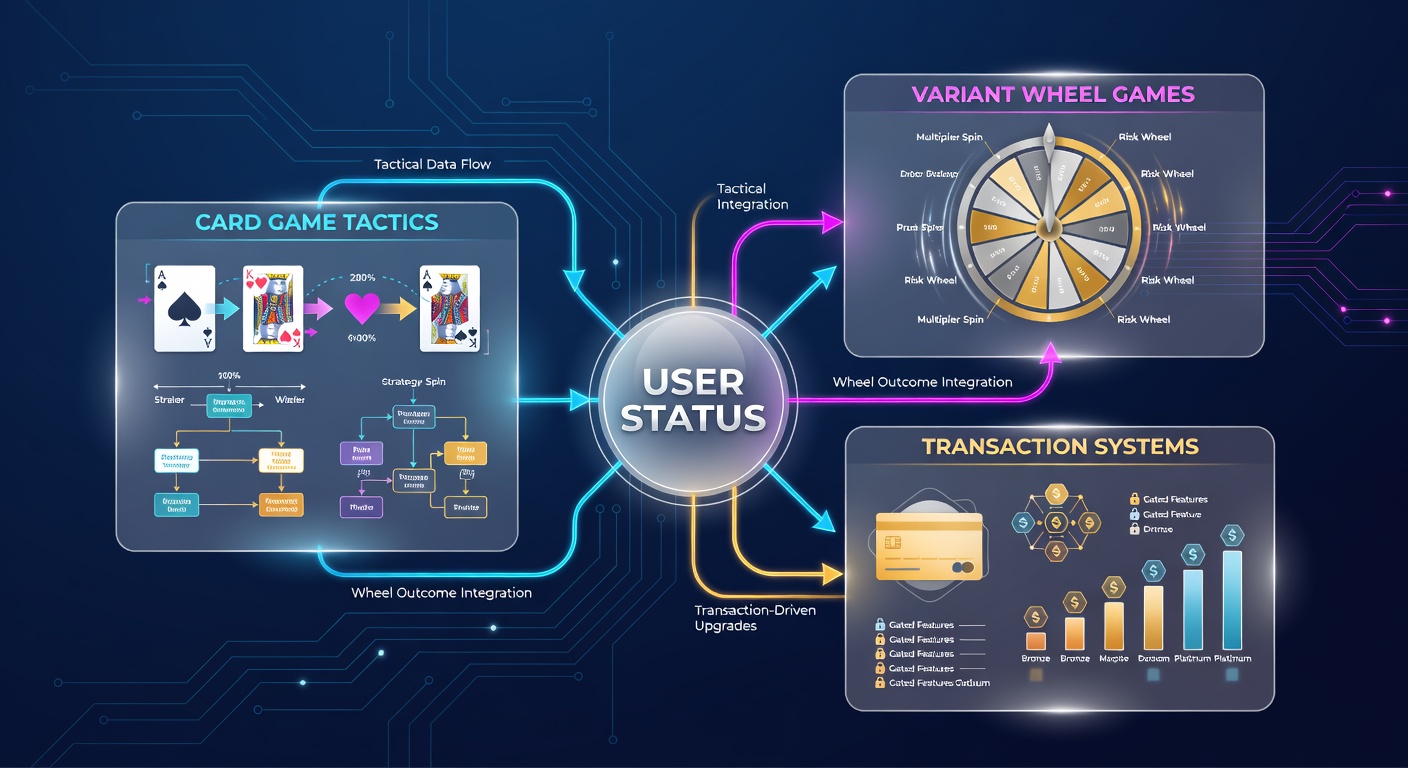
App-driven gaming platforms connect card game tactics with variant wheel mechanics and streamlined transaction systems to create measurable pathways for user status elevation, and data from industry reports in early 2026 highlight how these elements interact within mobile environments.
Card Game Tactics as Foundations for Status Progression
Players apply structured decision-making in card-based games such as blackjack and poker variants where optimal play calculations determine win rates and bonus accumulation rates, while studies from the University of Nevada, Las Vegas Center for Gaming Research indicate that consistent application of basic strategy tables leads to higher session durations and loyalty point accrual in app ecosystems. Those who track dealer upcards and adjust betting patterns according to probability models often trigger automated status reviews faster than random participants because platforms log these metrics into user profiles that feed into tier advancement algorithms.
Variant adaptations within card games add layers where side bet options and multi-hand formats multiply transaction opportunities; users who incorporate these elements see accelerated movement through bronze to platinum levels when combined with deposit frequency data, and platform analytics from May 2026 show average status jumps occurring 18 percent sooner for accounts that maintain above-average strategy adherence scores.
Variant Wheel Games and Their Integration With Tactical Play
Wheel-based variants extend the analytical framework by incorporating adjustable multipliers and segment probabilities that reward calculated risk assessment similar to card counting systems, yet the mechanics differ in that outcomes rely on physical or digital wheel spins rather than deck composition. Observers note that users who alternate between card sessions and wheel games maintain engagement streaks that boost daily activity scores, which in turn qualify accounts for expedited transaction processing and status bonuses.
Platforms record correlations where players deploying card-derived bankroll management principles during wheel rounds achieve higher retention of in-app credits, leading to sustained play cycles that platforms reward with status points, and European Gaming and Betting Association figures released in spring 2026 document a 22 percent increase in VIP conversions among users who switch between these game categories within single sessions.
Transaction Systems as Accelerators of User Advancement
Payment integrations including instant deposit methods and reward-linked withdrawals create direct feedback loops with game tactics because platforms prioritize accounts demonstrating both strategic consistency and financial velocity when allocating status upgrades. Users who route winnings from card or wheel sessions back into deposits through verified channels trigger automated compliance checks that clear faster, resulting in immediate point multipliers applied to their profiles.
Research indicates seamless transaction flows reduce friction in status pathways, and May 2026 platform updates introduced tiered fee structures where higher-status users access reduced processing times that further compound their advantages. Accounts exhibiting balanced activity across card tactics, wheel variants, and recurring transactions receive prioritized review for elite tiers because data aggregation tools identify these patterns as indicators of sustained platform value.
Interconnections Across Elements in App Environments
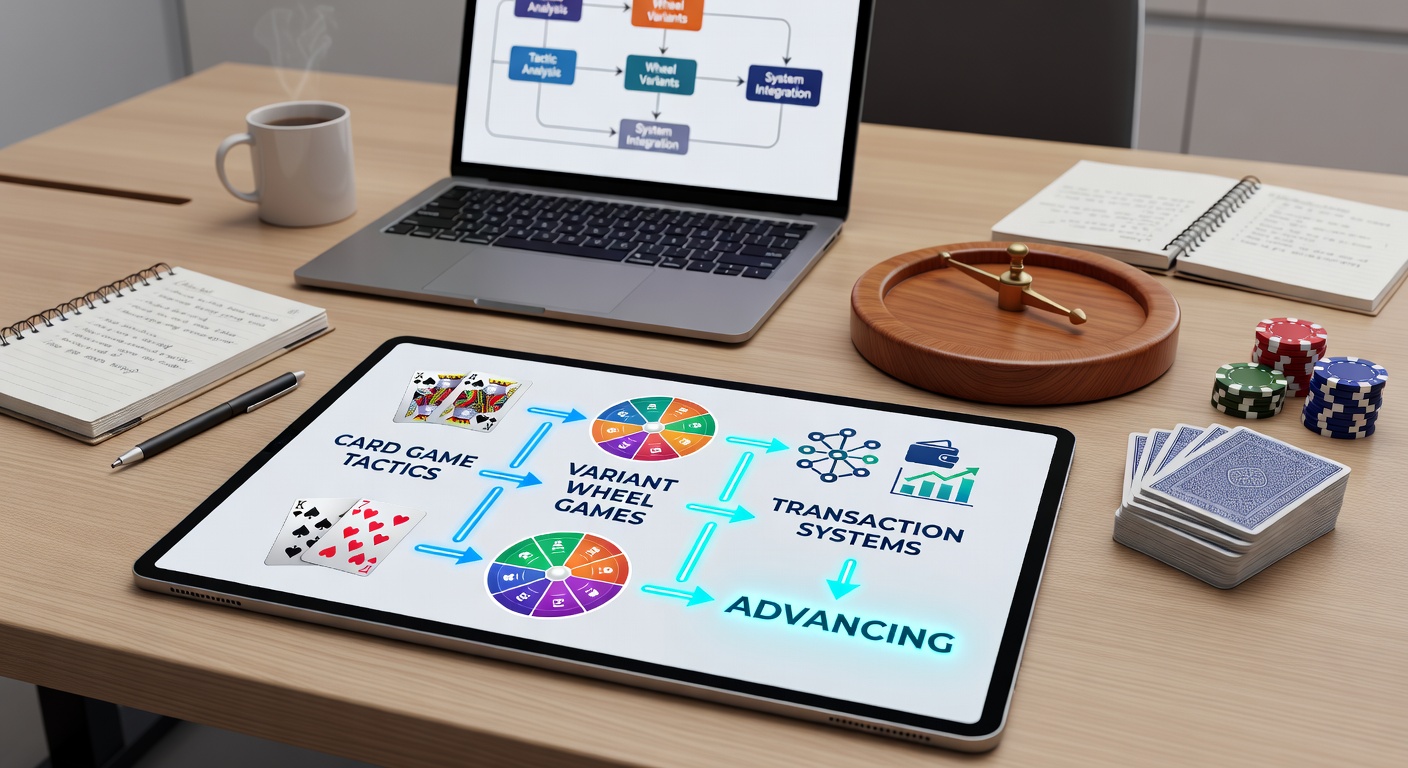
Combined usage patterns reveal that card game strategy informs bankroll allocation during wheel play, which then influences transaction timing to maximize status point multipliers, and app algorithms capture these sequences to generate personalized advancement recommendations. Data shows users who synchronize all three components complete loyalty cycles in fewer weeks compared to single-category participants, with progression metrics tracked through centralized dashboards that update in real time.
Regulatory frameworks in multiple jurisdictions require transparent logging of these interactions to ensure fair tier distribution, while industry reports confirm that integrated systems produce measurable uplift in user retention rates when tactics and payments align with wheel mechanics.
Conclusion
Platform architectures continue to refine connections between card tactics, wheel variants, and transaction efficiency as primary drivers of status elevation, and ongoing data collection through 2026 supports the observation that coordinated engagement across these areas yields consistent advancement outcomes for users within app-driven ecosystems.