App Navigation Patterns Influencing Selections in Probabilistic Reel Outcomes and Strategic Hand Plays for Loyalty Tier Advances in Handheld Gaming Systems
Written by Zara Weber · Aug 1, 2026
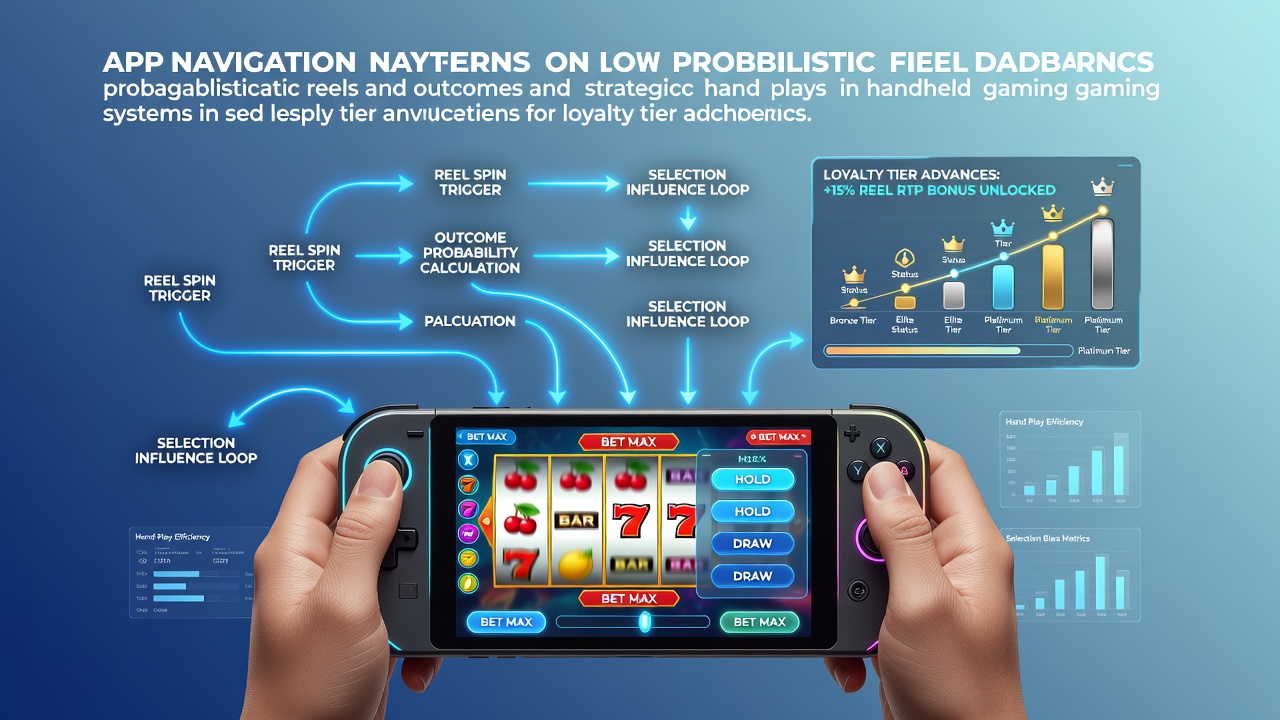
App Navigation Patterns Influencing Selections in Probabilistic Reel Outcomes and Strategic Hand Plays for Loyalty Tier Advances in Handheld Gaming Systems
App navigation patterns shape how users interact with handheld gaming systems, guiding selections across probabilistic reel outcomes in slot-style games and strategic hand plays in card variants while supporting progress toward loyalty tier advances. These patterns include menu layouts, swipe gestures, button placements, and session flow designs that direct attention to specific game modes or bet options. Data from industry reports indicates that streamlined navigation often correlates with increased engagement in both reel mechanics and table game adaptations, though outcomes remain governed by random number generators and player decisions.
Core Elements of Navigation Design in Handheld Platforms
Developers structure app interfaces with hierarchical menus and quick-access toolbars that reduce the steps needed to reach reel-based games or card tables. Observers note that one-tap entry points to popular titles encourage repeated spins on probabilistic reels, while tabbed sections for poker or blackjack variants facilitate rapid transitions between hand selections. Research from gaming analytics firms shows these designs appear in platforms operating across multiple regions, with updates documented through mid-2026 reflecting shifts in user retention metrics.
Session timers and progress trackers embedded in navigation bars display loyalty points accumulated from reel spins or hand completions. Such features connect directly to tier advancement systems, where cumulative activity unlocks higher membership levels. Figures from platform operators reveal that users following guided navigation paths complete more transactions per session compared to those navigating through expanded search functions.
Impact on Probabilistic Reel Outcomes
Reel selection screens typically present themed slots through scrollable carousels or categorized grids. Navigation flows that prioritize new releases or high-volatility titles lead users toward games with distinct payout structures, although the underlying algorithms determine individual results independently of interface choices. Studies conducted by academic researchers at institutions focused on digital behavior indicate that repeated exposure to certain menu sequences increases the frequency of spins on specific reel configurations.
Quick-bet buttons integrated into navigation overlays allow immediate stake adjustments before each reel activation. These elements streamline entry into probabilistic sequences without altering the random distribution of symbols or multipliers. In August 2026, several major handheld platforms introduced updated swipe mechanics that shortened transition times between reel rounds, resulting in measurable upticks in session duration according to aggregated operator data.
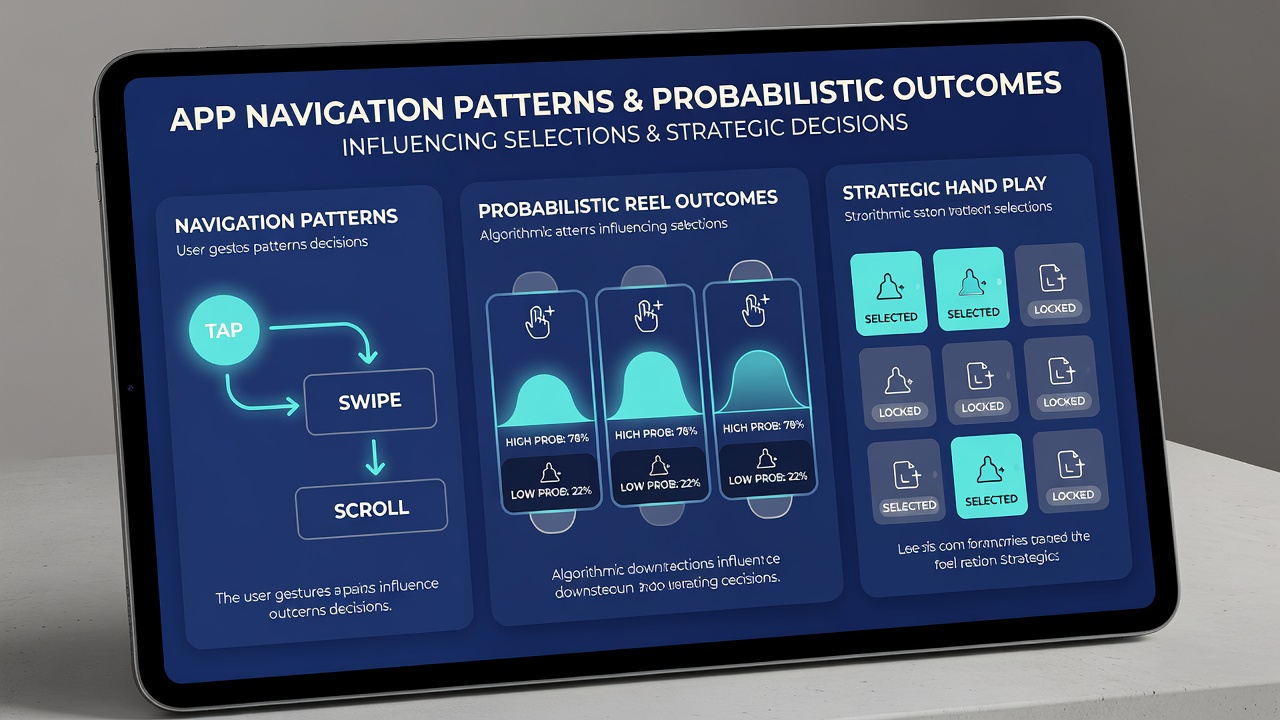
Influence on Strategic Hand Plays
Card game sections within apps often employ layered navigation that separates variant types such as video poker from live dealer tables. Players encounter decision prompts through pop-up overlays or persistent side panels, which present options for hit, stand, or split actions during hand development. Analysts tracking user pathways have documented how default navigation routes toward lower-stakes tables correlate with higher volumes of completed hands over extended periods.
Strategic selections remain subject to player skill and game rules, yet interface sequencing affects the order in which variants become accessible. Loyalty systems award points based on hand volume and wager size, so navigation designs that surface bonus-eligible tables can accelerate tier progression when combined with consistent play patterns. Reports from the Canadian Centre for Gaming Research highlight regional differences in how such interfaces appear in regulated mobile environments.
Connections to Loyalty Tier Advancement
Loyalty frameworks integrate navigation data to track engagement metrics, assigning tier status based on total reel spins, hand completions, and deposit activity. Users who follow optimized paths through the app often accumulate points at faster rates because fewer steps separate game entry from active participation. Platform statistics compiled through 2026 demonstrate that tier thresholds frequently require specific combinations of reel and table activity, making interface efficiency a practical factor in status elevation.
Push notifications triggered by navigation events remind users of pending challenges or point multipliers tied to reel or hand play. These alerts appear within the same menu structures that guide game selection, creating closed loops between discovery, participation, and reward collection. External analyses from the Australian Transaction Reports and Analysis Centre note similar integration patterns in licensed digital gaming systems operating under local compliance standards.
Observed Patterns Across User Segments
Segmented data from app analytics platforms shows distinct navigation preferences among casual versus frequent players. Casual participants tend to remain within featured reel carousels, completing shorter sessions that still contribute incremental loyalty points. Frequent users navigate deeper into strategic hand sections, applying repeated decision sequences that align with tier requirements over multiple weeks.
Cross-platform comparisons reveal that apps employing persistent bottom navigation bars record higher completion rates for loyalty-linked challenges involving both reel and card elements. These bars maintain constant access to progress dashboards, allowing real-time monitoring of advancement without exiting active game views.
Conclusion
Navigation patterns in handheld gaming systems function as structural guides that influence the sequence and frequency of selections across probabilistic reels and strategic hands. While random outcomes and player tactics determine immediate results, the architecture of menus, gestures, and progress indicators shapes overall activity levels that feed into loyalty tier systems. Ongoing platform refinements through 2026 continue to adjust these elements in response to aggregated usage data from diverse regulatory environments.