Charting Cross-Border Verification Protocols Sync with Probability Mapping in Multi-Variant Table Games
Written by Zara Weber · Jun 27, 2026
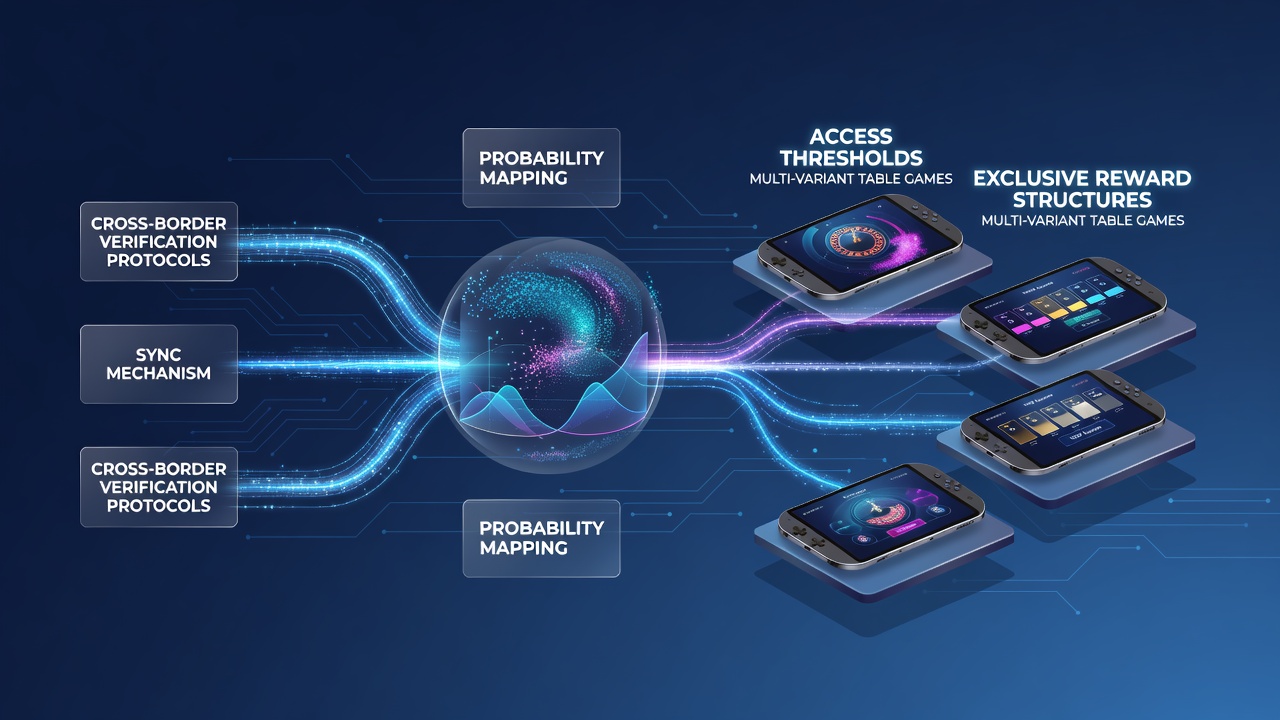
Charting Cross-Border Verification Protocols Sync with Probability Mapping in Multi-Variant Table Games
Cross-border verification protocols establish identity and compliance checks that operate across jurisdictions while probability mapping calculates outcome distributions across blackjack, roulette, baccarat and poker variants on mobile platforms. These two systems align to set numerical thresholds that control entry into exclusive reward structures such as tiered loyalty programs and limited-time bonus pools available through handheld applications. Operators implement standardized data fields for player location, transaction history and account age that feed directly into algorithms tracking game-specific return-to-player percentages and volatility indexes.
Verification Layers Across Jurisdictions
Regulatory frameworks in multiple regions require real-time address confirmation, document upload and biometric matching before any player accesses table game environments. Systems developed by the Malta Gaming Authority and the New Jersey Division of Gaming Enforcement exchange encrypted player status tokens that update every time a device crosses network boundaries. These tokens carry flags indicating whether a player has satisfied local know-your-customer requirements and whether prior activity triggered any spending caps or cooling-off periods.
Probability Mapping in Multi-Variant Games
Each table game variant carries its own probability distribution that developers encode into mobile engines. Blackjack side bets display different house edges than standard wagers, while roulette wheel segments with neighbor bets shift hit frequencies compared with straight-up bets. Mapping tools aggregate these distributions into session-level risk scores that update after every resolved hand or spin, allowing platforms to project expected loss or gain ranges for individual accounts.
Synchronization Process for Threshold Determination
Verification data streams merge with probability outputs inside a central decision engine that runs on secure cloud instances. When a player completes a verified cross-border login, the engine pulls the current risk score from the probability map and compares it against predefined reward access bands. If the score falls within an upper tier and verification flags remain green, the system grants entry to exclusive structures such as private tournament lobbies or accelerated loyalty point multipliers. Data from the American Gaming Association shows that synchronized engines processed over 12 million mobile table game sessions in the first quarter of 2026 without latency spikes exceeding 120 milliseconds.
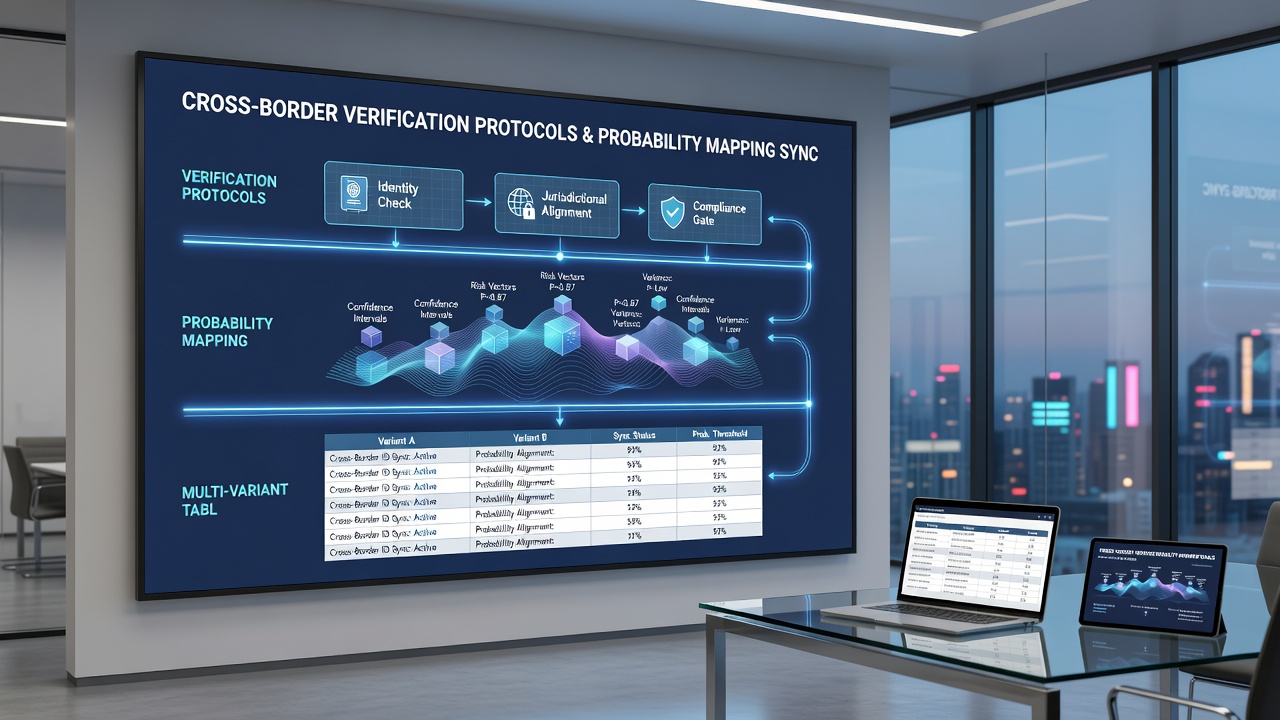
Implementation in Handheld Environments
Developers embed lightweight mapping libraries that run locally on iOS and Android devices while verification calls route through encrypted APIs. These libraries calculate running variance and expected value adjustments in real time, then transmit aggregated summaries to the central engine every thirty seconds. In June 2026 several major platforms introduced optional low-bandwidth modes that cache probability tables for up to fifteen minutes, reducing data usage for players in regions with intermittent connectivity yet still enforcing verification checks at session start and after every major win threshold.
Access Threshold Examples
Thresholds typically appear as combined metrics such as minimum verified deposit volume paired with a maximum projected loss limit derived from probability outputs. One common configuration grants entry to an exclusive cashback pool once a player reaches a verified lifetime wager total of 25,000 units while maintaining a session risk score below 1.8 standard deviations from the mean. Another structure opens private dealer tables when verification confirms residency in an approved jurisdiction and probability mapping shows consistent play across at least three distinct game variants within the prior thirty days.
Regulatory Reporting and Audit Trails
Platforms maintain immutable logs that record every verification token exchange alongside the probability score that triggered each reward decision. Auditors from the European Casino Association review sample data sets quarterly to confirm that thresholds remain consistent with published mathematical models. These reviews also examine whether any cross-border token mismatches produced erroneous reward grants, although reported error rates stayed below 0.03 percent across audited operators in 2025.
Future Adjustments and System Scaling
Engineers continue to refine synchronization speed by moving more verification micro-services closer to edge servers while expanding probability libraries to cover emerging variants such as multi-hand speed baccarat and lightning roulette formats. Research published by the University of Nevada, Reno Gaming Research Center indicates that further integration of location-aware probability adjustments could reduce threshold misclassifications by an additional 18 percent in high-mobility player segments.
Conclusion
The alignment of cross-border verification protocols with probability mapping creates a data-driven mechanism that determines which players qualify for exclusive reward structures on handheld platforms. As regulatory bodies update token standards and developers refine game-specific distribution models, the combined system continues to scale across additional jurisdictions and device types while maintaining documented audit trails and consistent threshold logic.