Decoding Loyalty Progression Pathways in Portable Gaming Environments Through Integrated Bonus Mechanisms and Table Game Adaptations
Written by Zara Weber · May 16, 2026
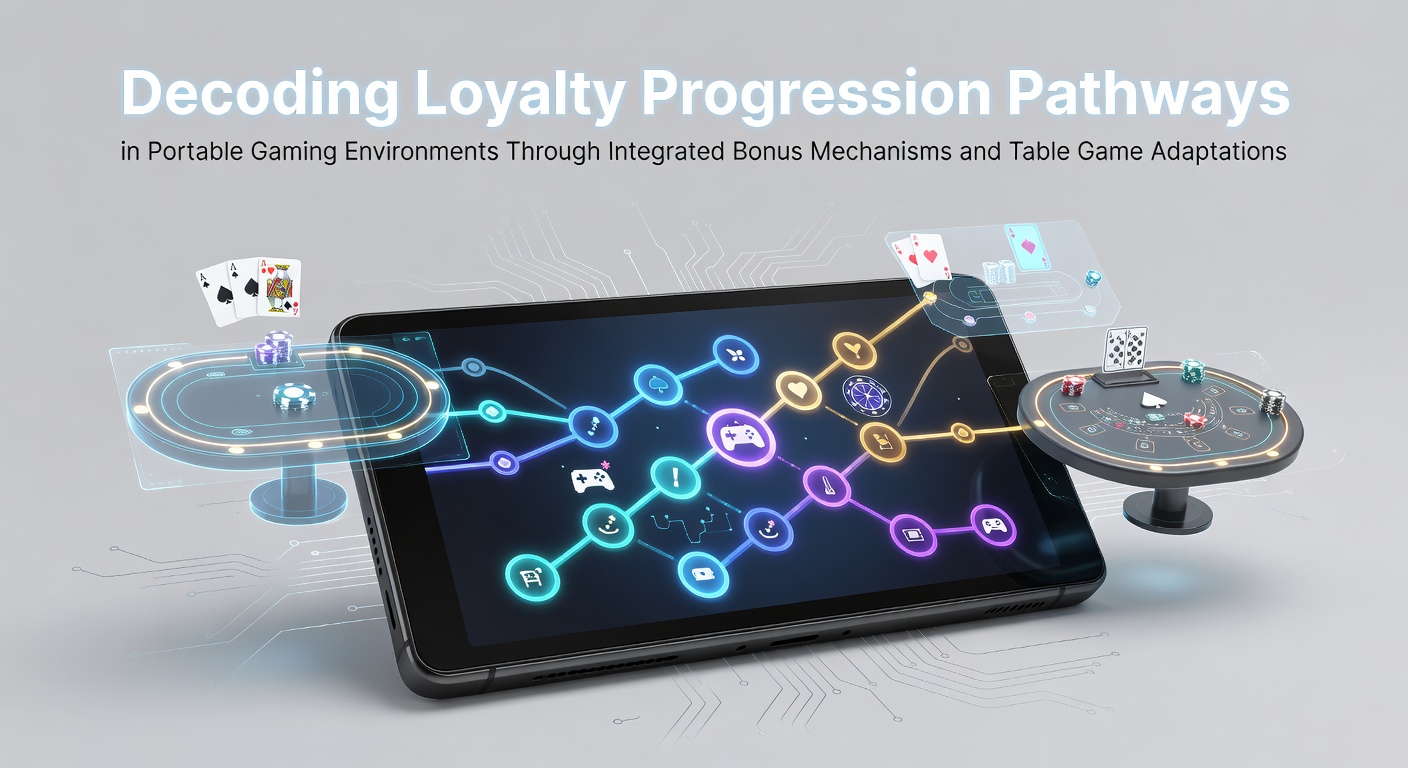
Decoding Loyalty Progression Pathways in Portable Gaming Environments Through Integrated Bonus Mechanisms and Table Game Adaptations
Portable gaming environments have developed structured loyalty pathways that track player engagement across devices, and these systems rely on integrated bonus mechanisms to move users through defined tiers while incorporating adapted versions of classic table games. Data from industry reports shows that mobile platforms account for over 60 percent of total gaming activity in several markets, which drives operators to refine progression mechanics that reward consistent play without requiring desktop access.
Core Elements of Loyalty Tier Systems
Operators establish tiered structures where players accumulate points through wagers on slots, video poker, and table game adaptations, and these points determine advancement from entry-level status to higher categories that unlock enhanced rewards. Research indicates that typical pathways include four to six tiers, with each level requiring specific point thresholds that reset periodically to maintain ongoing participation. Points often derive from bet volume rather than wins alone, which encourages sustained activity across sessions.
Point Accumulation and Tracking Mechanisms
Portable platforms employ real-time tracking algorithms that log activity from smartphones and tablets, and these systems integrate with user accounts to calculate eligibility for tier upgrades. Studies from gaming research institutions reveal that players reach mid-tier status after accumulating between 5,000 and 15,000 points in many programs, depending on the operator's formula. Bonuses such as deposit matches or free spins convert directly into additional points, which accelerates movement through the pathway without separate manual claims.
Integrated Bonus Mechanisms Driving Progression
Bonus integration occurs through automated triggers that award loyalty points alongside standard promotions, and this approach creates seamless advancement while players engage with mobile-optimized content. Data shows that combined bonus and loyalty systems increase average session lengths by 25 to 35 percent compared to standalone reward programs. Operators deploy tiered bonuses where higher levels receive larger multipliers on points earned, which reinforces continued mobile play.
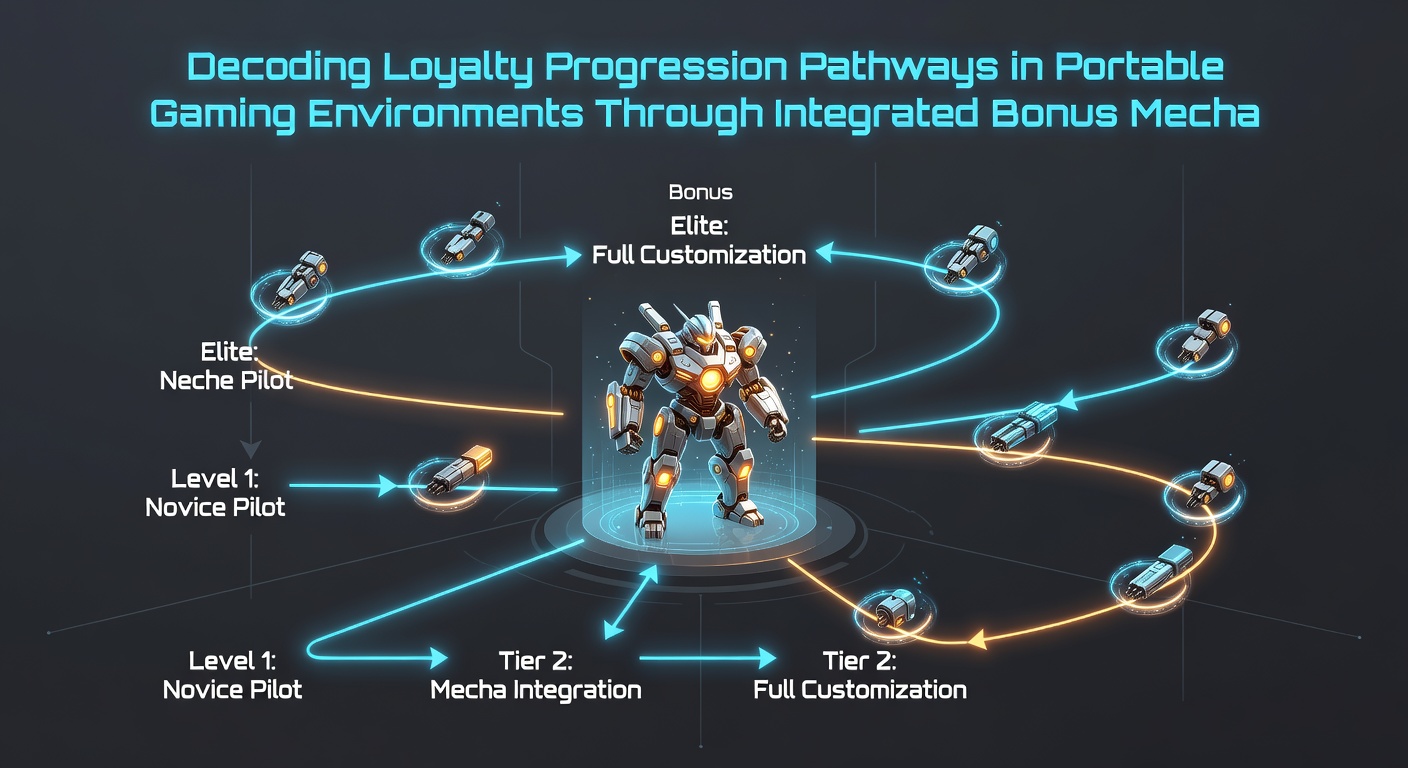
Players often receive personalized bonus offers based on their current tier and recent activity patterns, and these targeted incentives appear within the app interface shortly after login. According to figures from the Canadian Gaming Association, integrated systems that link bonuses directly to loyalty points reduce player churn rates in mobile segments by measurable margins each quarter. Cashback bonuses tied to losses further contribute points, while free play credits convert at fixed rates that support steady progression.
Table Game Adaptations Within Loyalty Frameworks
Table game adaptations for portable devices incorporate touch-optimized interfaces that maintain core rules while embedding loyalty tracking features such as real-time point counters and tier progress bars. Live dealer versions connect through mobile apps to stream roulette, blackjack, and baccarat sessions, and these formats award loyalty points proportional to total wagers placed during each round. Observers note that adaptation techniques include simplified betting layouts and gesture-based controls that reduce session friction on smaller screens.
Many operators link table game activity to exclusive bonus pools available only at higher loyalty tiers, and this structure encourages players to diversify from slots into adapted table offerings. Research from academic sources in Australia indicates that mobile table game participation within loyalty programs grew by 18 percent between 2024 and 2025, with points from live sessions counting toward tier advancement at the same rate as automated table variants. Side bets and progressive jackpots within these games frequently carry additional point multipliers that reward strategic engagement.
Developments Observed in May 2026
Regulatory updates taking effect in May 2026 across several jurisdictions require clearer disclosure of how bonus mechanisms influence loyalty progression, and operators have responded by updating in-app explanations that detail point conversion rates. Industry organizations report that compliance adjustments include enhanced audit trails for mobile transactions, which support transparent tracking of tier movements. These changes coincide with expanded adoption of adaptive table game formats that integrate bonus triggers directly into gameplay sequences.
Regional Variations in Pathway Design
European markets emphasize bonus mechanisms that align with responsible gaming limits, whereas North American operators focus on rapid tier advancement through combined slot and table play. Figures reveal that Australian platforms often incorporate seasonal bonus campaigns that temporarily boost point earnings from adapted table games, creating short-term acceleration opportunities within established pathways. Cross-border comparisons show consistent emphasis on mobile accessibility as the primary driver for these integrated systems.
Conclusion
Portable gaming loyalty pathways continue to evolve through tighter integration of bonus mechanisms with adapted table game formats, and current data supports sustained growth in mobile engagement metrics. Operators refine these systems to balance player retention with regulatory requirements, which results in clearer progression structures that function across devices. The combination of real-time tracking, tiered rewards, and touch-optimized gameplay sustains activity levels while providing measurable advancement opportunities for participants.