How Biometric Authentication Enhances Access to Tiered Reward Systems in Live-Streamed Card and Wheel Experiences on Mobile Devices
Written by Felix Butler · Jul 18, 2026
How Biometric Authentication Enhances Access to Tiered Reward Systems in Live-Streamed Card and Wheel Experiences on Mobile Devices
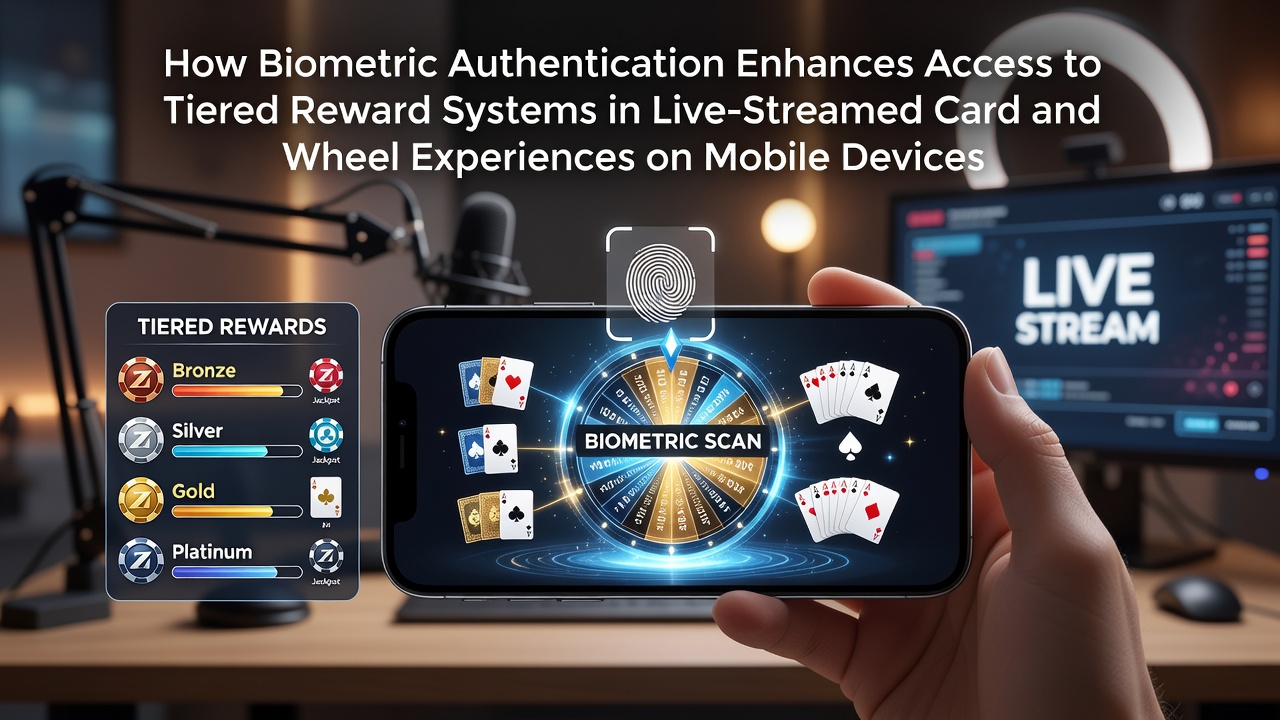
Data from mobile gaming platforms shows biometric authentication methods such as fingerprint scanning and facial recognition now integrate directly with loyalty programs that manage tiered rewards in live-streamed card and wheel games, allowing users to progress through levels without repeated manual logins or password entries. Observers note that these systems connect verified identity checks to real-time reward tracking during blackjack streams or roulette sessions on smartphones, where players advance from basic access to premium benefits like faster dealer interactions and bonus multipliers based on cumulative play.
Core Mechanics of Biometric Integration in Mobile Platforms
Platforms deploy device-level sensors to capture and match biometric data against stored profiles, then link those confirmations to backend databases that monitor activity in live card tables and spinning wheel broadcasts, so status upgrades occur automatically once play volume or spend thresholds are met. Research indicates this setup reduces authentication friction during extended sessions, because a single scan unlocks both the game feed and the associated reward dashboard without interrupting the stream. Figures reveal adoption rates climbing in regions with established mobile gaming regulations, since secure identity verification supports compliance while enabling seamless tier progression for participants in app-based environments.
Connection to Tiered Reward Structures
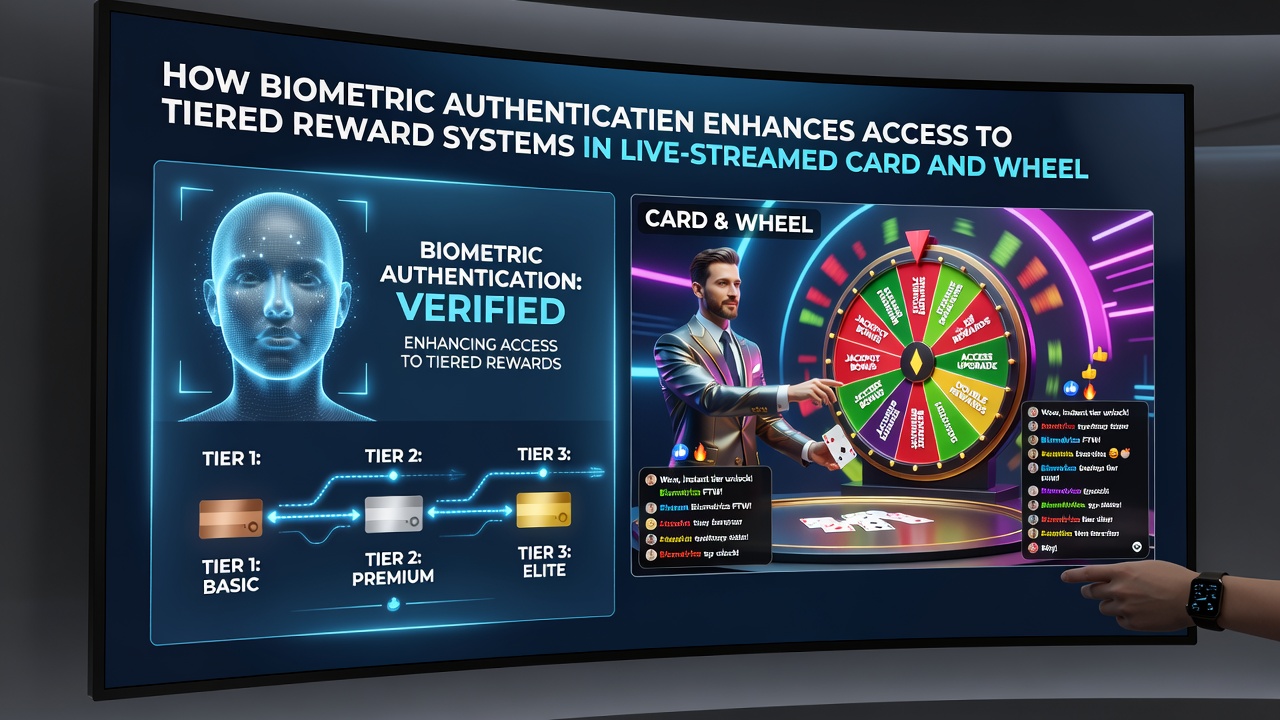
Tiered systems typically divide users into categories such as entry, intermediate, and elite levels, with each stage unlocking distinct advantages like exclusive live dealer tables, accelerated point accrual, or custom wheel variants in card and roulette experiences. Biometric gates tie directly into these ladders by confirming eligibility at each checkpoint, so players maintain momentum across sessions because the system recognizes returning users through physiological markers rather than session cookies alone. According to industry reports, this linkage proves effective in July 2026 updates where platforms adjusted algorithms to reflect higher engagement metrics from verified mobile accounts.
Live-Streamed Card and Wheel Dynamics on Mobile
Live-streamed experiences transmit real-time footage of card shuffles and wheel spins to mobile screens, while overlaid interfaces display current tier status and pending rewards that activate upon biometric confirmation. Those who study these environments find that authentication occurs at key moments, such as when a player qualifies for a higher bracket mid-session, allowing instant access to enhanced features without pausing the dealer interaction. Data shows synchronization between the stream server and the biometric module prevents lag, because verified sessions carry forward accumulated metrics that feed directly into reward calculations.
Security and Compliance Considerations
Regulatory frameworks in multiple jurisdictions require robust identity assurance for reward programs that involve monetary elements, and biometric methods satisfy these standards by providing non-replicable verification tied to the individual device. The American Gaming Association notes that such technologies align with broader responsible gaming protocols, since they limit unauthorized account access while preserving user flow through tiered benefits. Yet platform operators still layer additional encryption around biometric templates to address data protection mandates that vary by region.
Observed Implementation Patterns Across Markets
Operators in North American and European markets have rolled out hybrid models where initial registration pairs a biometric sample with account details, after which subsequent live card or wheel sessions pull tier data automatically upon scan confirmation. Studies from the Canadian Gaming Association indicate measurable increases in session duration once these features stabilize, because players encounter fewer interruptions when moving between reward brackets. What's interesting here is how the same infrastructure supports both regulatory audits and player convenience without requiring separate verification steps for each advancement.
One documented case involves a platform that updated its mobile application in early 2026 to embed facial recognition prompts at tier thresholds during wheel game streams, resulting in documented upticks in elite-level participation tracked through anonymized aggregates. Researchers at academic institutions tracking digital gaming behaviors have observed similar patterns where biometric continuity correlates with sustained engagement across card variants and live dealer formats.
Future Trajectory and Platform Adaptations
Developers continue refining sensor accuracy and cross-device compatibility, so users can transition between phones while retaining biometric-linked reward histories in streamed environments. Reports from the Malta Gaming Authority highlight ongoing consultations around standardizing these interfaces to maintain consistent player protections as live mobile offerings expand. The reality is that integration depth varies by operator, yet the core linkage between physiological verification and tier management remains a consistent technical priority across compliant platforms.
Conclusion
Biometric authentication now functions as the connective tissue between mobile user identity and dynamic reward tiers in live card and wheel streams, supported by data that tracks progression through verified sessions. Platforms that embed these checks at appropriate intervals demonstrate measurable alignment with both operational efficiency and regulatory expectations as of July 2026. External analyses from sources such as the Nevada Gaming Control Board and the American Gaming Association provide additional context on how these systems operate within established frameworks.