Mapping Verified Funding Channels to Decision Patterns in Multiplayer Table Formats Within Smartphone Platforms for Loyalty Elevation
Written by Zara Weber · Aug 15, 2026

Mapping Verified Funding Channels to Decision Patterns in Multiplayer Table Formats Within Smartphone Platforms for Loyalty Elevation
Smartphone platforms hosting multiplayer table formats have developed structured systems that link verified funding channels directly to player decision patterns, creating measurable pathways for loyalty tier advancement, and these connections rely on integrated payment verification alongside in-game analytics that track betting sequences and risk selections during live sessions. Observers note that verified channels such as bank transfers, digital wallets, and card authorizations feed into backend systems that correlate deposit timing with subsequent choices at virtual tables for games including blackjack and poker variants.
Funding Verification and Initial Player Entry
Verified funding begins with compliance checks that confirm transaction legitimacy before any gameplay credits activate, and this process ensures that each deposit aligns with regulatory standards across multiple jurisdictions. Data from industry reports indicate that platforms record the source, amount, and frequency of these transfers to establish baseline profiles for loyalty tracking. Players who complete verification through approved channels often see immediate access to table formats where decision logging starts at the first hand or round.
Decision Patterns in Multiplayer Table Environments
Multiplayer table formats on smartphones capture sequences of player actions such as bet sizing, fold rates, and raise frequencies, while algorithms map these against funding inflows to identify patterns that predict tier progression. Researchers have documented how consistent deposit patterns combined with calculated risk decisions in games like Texas Hold'em lead to accelerated accumulation of loyalty points. Platforms record these interactions in real time, allowing systems to adjust reward thresholds based on the alignment between verified payments and strategic play choices.
Integration Mechanisms Across Platforms
Smartphone applications synchronize funding data with decision analytics through secure APIs that update loyalty ledgers continuously, and this integration supports features like instant tier notifications after specific decision sequences follow verified deposits. Studies from academic sources show that platforms using such mappings experience higher retention rates when players perceive direct connections between their payment activity and status upgrades. External factors including network stability and app updates in August 2026 have influenced how these systems handle peak multiplayer sessions without disrupting pattern recognition.
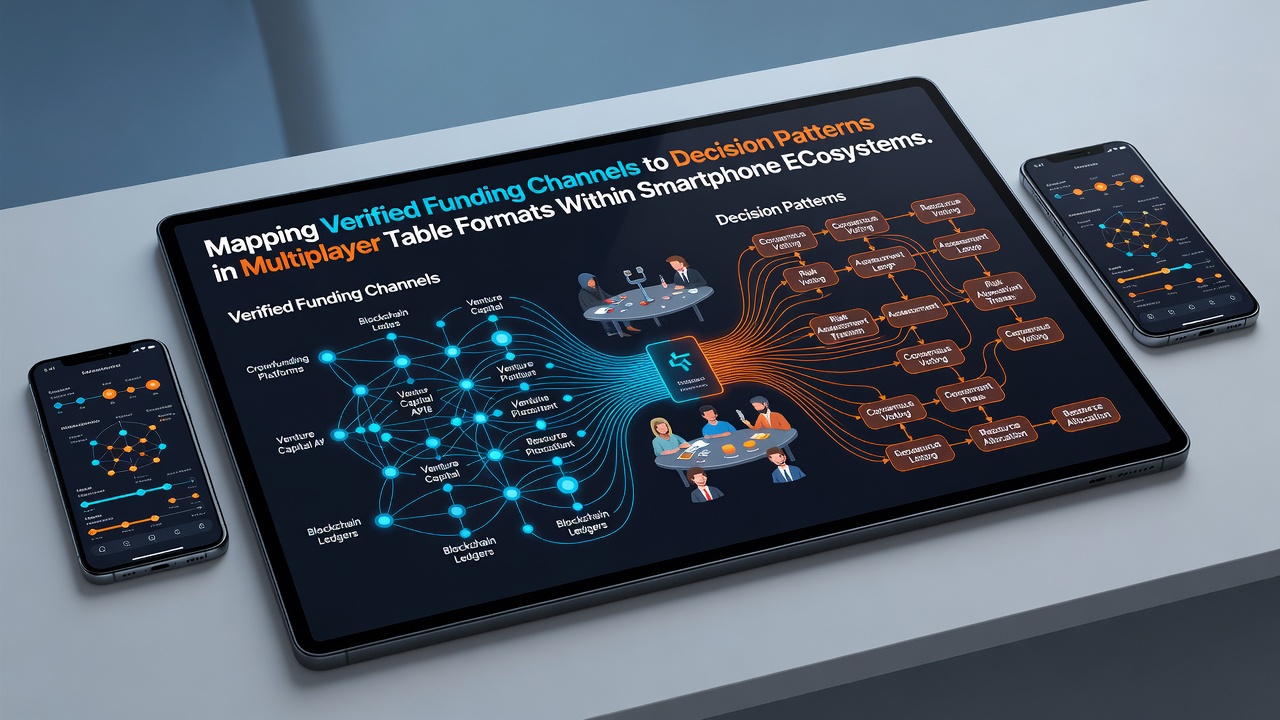
One case involved platforms that adjusted their mapping protocols after observing clusters of high-value decisions following large verified transfers, leading to refined algorithms that prioritize certain table variants for loyalty acceleration. Those who've examined the data note that blackjack side bets and poker pot commitments serve as key indicators when cross-referenced with funding histories.
Regional Data and Platform Adaptations
Reports compiled by the American Gaming Association highlight variations in how North American operators implement these mappings compared to European counterparts, with differences arising from local rules on transaction verification and table game pacing. Platforms in Asia-Pacific regions have incorporated additional layers of pattern analysis tied to regional digital payment preferences, creating localized loyalty pathways that still feed into global tier systems. Figures reveal that multiplayer sessions conducted on smartphones account for growing shares of overall table game activity, with decision data contributing directly to personalized advancement offers.
Technical Mapping Processes
Algorithms process funding channel data alongside decision trees by assigning weighted values to actions like all-ins or insurance bets when they follow confirmed deposits, and this produces composite scores that determine eligibility for elevated loyalty benefits. Industry organizations such as the European Gaming and Betting Association have published guidelines on maintaining transparency in these calculations to meet data protection requirements. The result appears in user interfaces that display progress bars updated after each verified session, connecting payment history to specific table outcomes without revealing proprietary matching formulas.
Future Considerations in August 2026
Platform developers continue refining these mappings as smartphone hardware advances allow for more granular capture of decision timing and funding flow, while regulatory updates scheduled around August 2026 may affect how verification standards interface with loyalty algorithms. Observers point to ongoing trials where enhanced encryption protocols secure the data links between channels and patterns, ensuring compliance across expanding markets.
Conclusion
The mapping of verified funding channels to decision patterns in smartphone-based multiplayer table formats provides structured mechanisms for loyalty elevation that rely on precise data correlations and real-time analytics. Evidence from multiple sources confirms these systems operate through integrated verification and logging processes that support tier progression across diverse gaming environments. Continued adaptation to regulatory and technological shifts will shape how such connections evolve in subsequent periods.