San Pablo Prepares for Budget Discussions Amid Shifting Casino Revenues
Written by Zara Weber · May 18, 2026

San Pablo Prepares for Budget Discussions Amid Shifting Casino Revenues
City leaders in San Pablo have outlined plans to address a projected $2 million structural deficit in the fiscal year 2026-27 budget, with the shortfall tied directly to four straight years of stagnant contributions from the San Pablo Lytton Casino along with escalating operational expenses. The casino supplies approximately 59 percent of the city's general fund and has generated roughly $3.35 million in recent periods, yet those figures have remained flat despite earlier expectations of growth. Officials have scheduled two virtual community meetings in May 2026 to share details on the challenges, planned investments, and possible effects on key services such as public safety and infrastructure maintenance.Understanding the Revenue Landscape
Observers note that the casino's consistent but unchanging payments have created a gap between incoming funds and outgoing obligations, because the city has relied on this single source for the majority of its discretionary spending. Data indicates that the four-year plateau followed a period of stronger performance, leaving municipal planners to recalibrate expectations for the upcoming cycle. Residents who track local finances often discover that such dependence on one revenue stream can limit flexibility when external economic conditions shift, and the upcoming meetings aim to clarify how these numbers translate into day-to-day city operations.
Rising Expenses Add Pressure
General liability insurance costs have tripled since 2020, according to city records, and this increase represents one of the most visible drivers behind the projected shortfall. Other expenditures tied to personnel, facilities, and regulatory compliance have also climbed, although the insurance line item stands out because it affects multiple departments simultaneously. Those who've examined similar municipal budgets know that insurance premiums can fluctuate sharply after claims history or market conditions change, and San Pablo's experience mirrors patterns seen in neighboring jurisdictions facing comparable risk profiles.
Community Meetings Scheduled for May 2026
Two virtual informational sessions will give residents direct access to explanations of the budget outlook, with the first meeting set for May 20 in English and the second on May 27 in Spanish. City staff intend to walk through current revenue trends, proposed spending priorities, and scenarios that could affect services ranging from police response times to road repairs. Participants can submit questions in advance or during the sessions, and recordings will remain available afterward for those unable to attend live. This approach allows broader participation while ensuring that language access does not create barriers for Spanish-speaking households.
Additional Factors on the Horizon
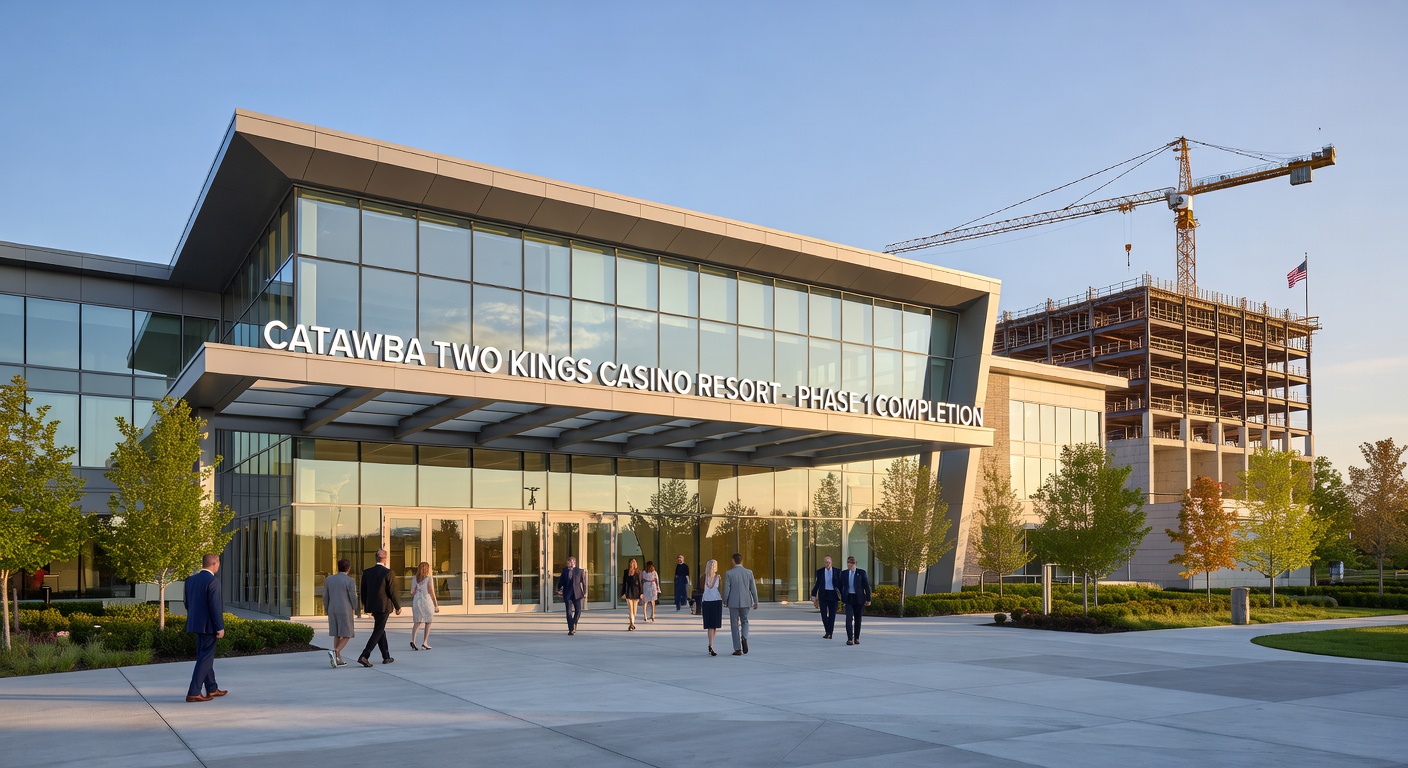
A proposed new casino development in Solano County appears on the horizon as another variable that could influence future revenue streams, because potential customers may divert some spending away from the existing facility. City documents reference this project as a longer-term consideration rather than an immediate crisis, yet planners have included it in their forward-looking analysis to avoid surprises. Experts have observed that regional gaming markets can experience redistribution effects when new venues open, particularly when travel times remain comparable for a portion of the customer base. The Budget Update provides further context on how these external developments factor into the city's multi-year forecasting models.
Service Impacts Under Review
Potential adjustments to public safety staffing levels, infrastructure projects, and recreational programs remain under discussion, with officials emphasizing that no final decisions have been reached ahead of the community sessions. Data from the general fund shows that any reduction in casino contributions would require offsetting measures elsewhere in the budget, whether through expenditure cuts, reserve drawdowns, or alternative revenue measures. People who've followed previous budget cycles in San Pablo often discover that early public input helps shape more targeted solutions that preserve core services while addressing the structural gap.
Conclusion
The upcoming meetings represent a structured effort to inform residents about the $2 million projected deficit and the combination of flat casino revenues, rising insurance costs, and emerging regional competition that together define the current fiscal picture. By presenting the information in both English adn Spanish during May 2026, city officials aim to reach as many households as possible before final budget deliberations begin. The process highlights how local governments manage revenue concentration risks while maintaining transparency around service delivery priorities, and further updates are expected to follow the community discussions.