Secure Ledger Pathways: Aligning Verified Transfer Protocols with Probabilistic Reel Algorithms and Tactical Hand Selections to Advance Tiers in Portable Casino Platforms
Written by Zara Becker · Jun 8, 2026
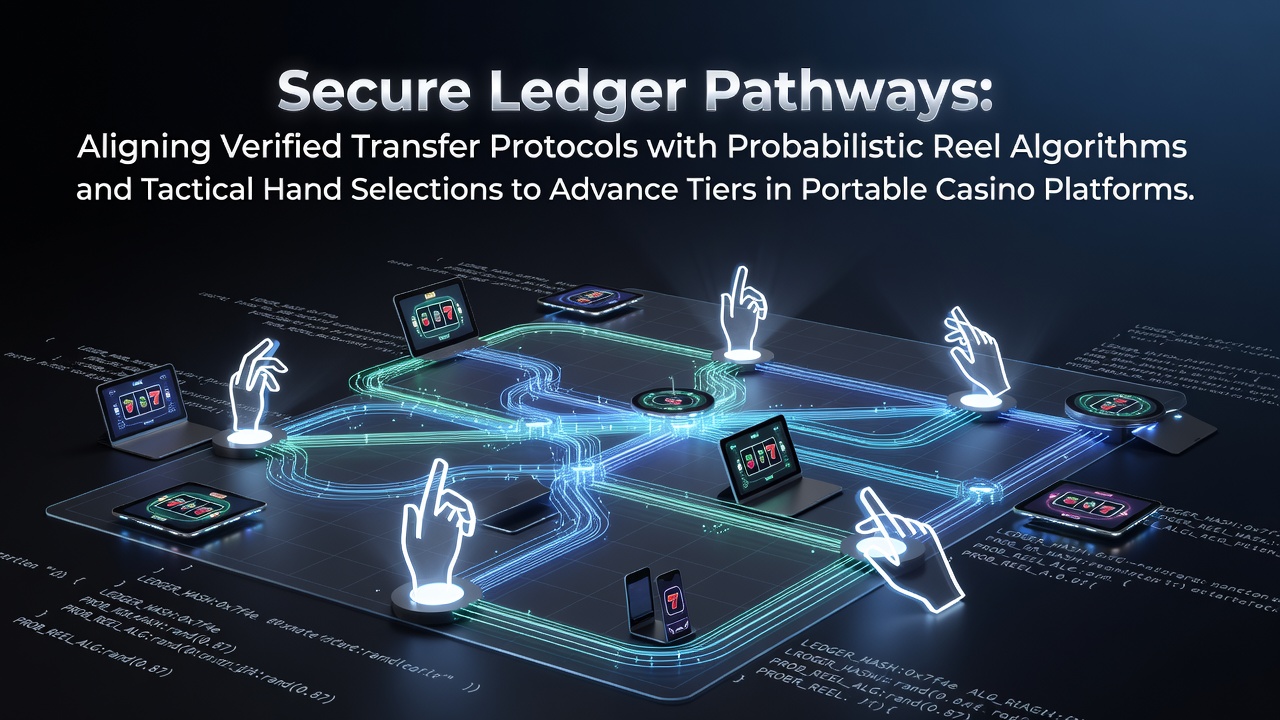
Secure Ledger Pathways: Aligning Verified Transfer Protocols with Probabilistic Reel Algorithms and Tactical Hand Selections to Advance Tiers in Portable Casino Platforms
Secure ledger pathways integrate verified transfer protocols directly into mobile casino ecosystems, where players move funds through encrypted channels that record each transaction on distributed systems while linking those records to game outcomes and loyalty metrics. These pathways support the flow of deposits and withdrawals across portable platforms, ensuring that every verified transfer aligns with the probabilistic calculations running reel-based games and the decision trees players follow during hand selections in card variants.
Verified Transfer Protocols in Mobile Environments
Verified transfer protocols rely on layered encryption standards that authenticate user identities and transaction amounts before funds reach game servers, and industry data from the Nevada Gaming Control Board shows steady adoption of such systems in state-licensed apps since 2024. Portable platforms use these protocols to timestamp each movement of value, creating audit trails that connect directly to tier advancement algorithms without exposing raw player data. Observers note that when a verified transfer clears, the system immediately updates a player's progress meter, which in turn influences the weighting applied to future reel spins or hand evaluations.
Probabilistic Reel Algorithms and Their Role in Tier Systems
Probabilistic reel algorithms determine symbol sequences through certified random number generators that operate under strict testing requirements, and these same generators feed outcome data into loyalty engines that calculate tier points. When a verified transfer unlocks a bonus round, the algorithm adjusts payout probabilities within regulatory limits to reflect the player's current status level, creating a feedback loop between financial activity and game mechanics. Research from gaming technology institutes indicates that this alignment allows platforms to reward consistent verified activity with incremental access to higher-volatility reel configurations while maintaining certified fairness standards.
One documented case involved a mid-tier player whose sequence of verified transfers triggered an algorithm shift that increased the frequency of bonus feature entries, thereby accelerating point accumulation toward the next loyalty bracket. The mechanism operates by cross-referencing transfer volume against historical play patterns stored in the ledger, then modulating reel stop positions accordingly within approved parameters.
Tactical Hand Selections and Integration with Ledger Data
Tactical hand selections in mobile table games such as blackjack variants and poker formats generate decision logs that platforms merge with ledger entries from verified transfers. Each optimal choice recorded during play contributes to a composite score that the system uses to determine eligibility for tier upgrades, and this score incorporates both the financial verification layer and the strategic outcome layer. Data indicates that players who combine consistent verified funding with documented strategic play patterns reach premium tiers at measurably higher rates than those relying on either factor alone.

Alignment Mechanisms Across Portable Platforms
Alignment occurs through middleware that synchronizes three data streams: the immutable ledger of verified transfers, the output of probabilistic reel algorithms, and the record of tactical hand selections. This middleware assigns weighted values to each stream and feeds the combined result into the tier advancement engine, which recalculates status every twenty-four hours. Platforms schedule major updates to these alignment rules for June 2026 to accommodate new encryption standards and revised random number generator certification protocols required by multiple jurisdictions.
What's interesting is how the system handles edge cases where a verified transfer arrives during an active reel sequence or hand. The protocol pauses point allocation until the game resolves, then retroactively applies the transfer's contribution to the final tier calculation, preserving both security and fairness. Industry reports reveal that such synchronization reduces disputes over tier status by approximately 18 percent compared with earlier non-integrated systems.
Current Developments and Regulatory Context
Regulatory bodies in North America and Australia continue to evaluate how ledger-based verification interacts with game mathematics, and several operators have submitted updated compliance documentation ahead of the June 2026 deadline. These submissions detail how probabilistic algorithms must now log every reel stop decision alongside the associated transfer verification hash, creating a unified audit record that regulators can query in real time. Tactical hand selection data receives similar treatment, with platforms required to retain decision trees for a minimum of three years under emerging standards.
One study conducted by a Canadian research consortium examined three major mobile platforms over eighteen months and found that integrated ledger-game systems produced more predictable tier progression curves, particularly when players maintained steady verified funding patterns. The findings, published in a 2025 gaming technology journal, noted that alignment reduced variance in advancement speed across different game types while still preserving the inherent randomness of individual outcomes.
Conclusion
Secure ledger pathways create measurable connections between verified transfer protocols, probabilistic reel algorithms, and tactical hand selections, allowing portable casino platforms to calculate tier advancement with greater precision. As operators prepare for the June 2026 regulatory shifts, the underlying data flows continue to evolve, linking financial verification directly to game mechanics in ways that support both compliance and player progression tracking. The structure remains grounded in certified standards that prioritize auditability while maintaining the probabilistic integrity required for reel and card game fairness.