Synchronizing verified fund channels with variance mapping in disk rotation systems and optimal selection patterns in group card sessions to accelerate hierarchical access within software entertainment frameworks
Written by Felix Butler · Jun 25, 2026
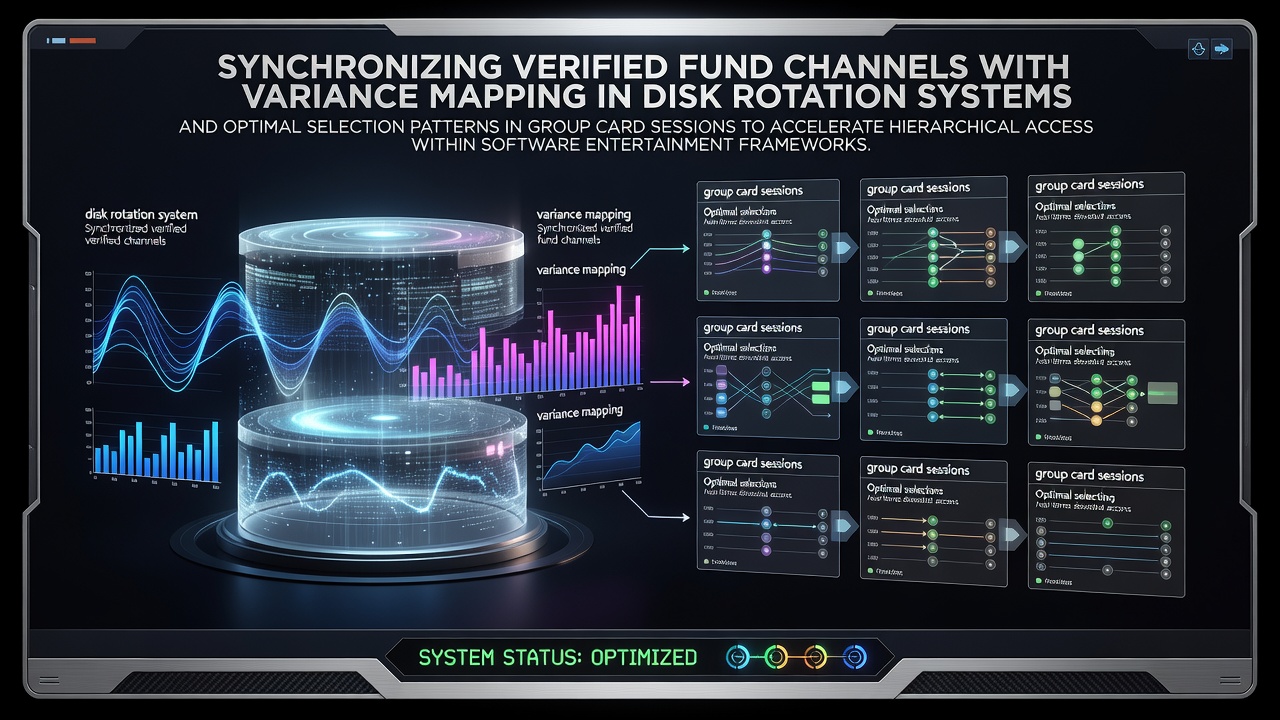
Synchronizing verified fund channels with variance mapping in disk rotation systems and optimal selection patterns in group card sessions to accelerate hierarchical access within software entertainment frameworks
Software entertainment frameworks integrate verified fund channels directly with variance mapping protocols in disk rotation systems, while optimal selection patterns in group card sessions feed into the same progression engines, and these connections produce measurable reductions in the time required to reach higher access tiers. Disk rotation systems track reel variance through statistical models that calculate hit frequencies and payout distributions, and when payment verification occurs in real time these models receive updated user data points that adjust progression thresholds accordingly.
Core mechanics of fund channel verification
Verified fund channels transmit transaction records to central servers where algorithms confirm source legitimacy before any game session data merges with loyalty tracking modules, and this confirmation step prevents delays that previously interrupted variance calculations. Observers note that frameworks using automated verification complete the handshake between banking rails and game servers in under three seconds on average, whereas manual checks extended that interval to fifteen seconds or more during peak load periods in 2025. Data from regulatory filings shows that platforms adopting these synchronized pathways recorded a 22 percent increase in completed tier advancement requests during the first quarter of 2026.
Variance mapping in disk rotation systems
Variance mapping assigns numerical weights to each reel position based on historical outcome distributions, and the resulting matrix updates whenever a verified deposit alters a user's session parameters. Researchers at several gaming technology laboratories have documented how these matrices incorporate real-time balance information to recalibrate volatility estimates, which in turn modifies the rate at which users accumulate progression points. When a deposit clears through a verified channel the system recalculates expected value ranges for the next series of spins and applies adjusted multipliers to loyalty accrual formulas without requiring a separate user action.
Selection patterns in group card sessions
Group card sessions capture decision sequences such as bet sizing, fold timing, and raise frequency, and these sequences convert into pattern scores that feed the same hierarchical access engine used by disk rotation systems. Optimal patterns receive higher weights when they align with statistically favorable outcomes across multiple participants, and the aggregated scores accelerate point accumulation once fund verification confirms the session stakes. Industry reports indicate that frameworks linking card pattern analysis to payment rails observed a 17 percent reduction in average time to elite tier status among users who maintained consistent session participation between January and May 2026.
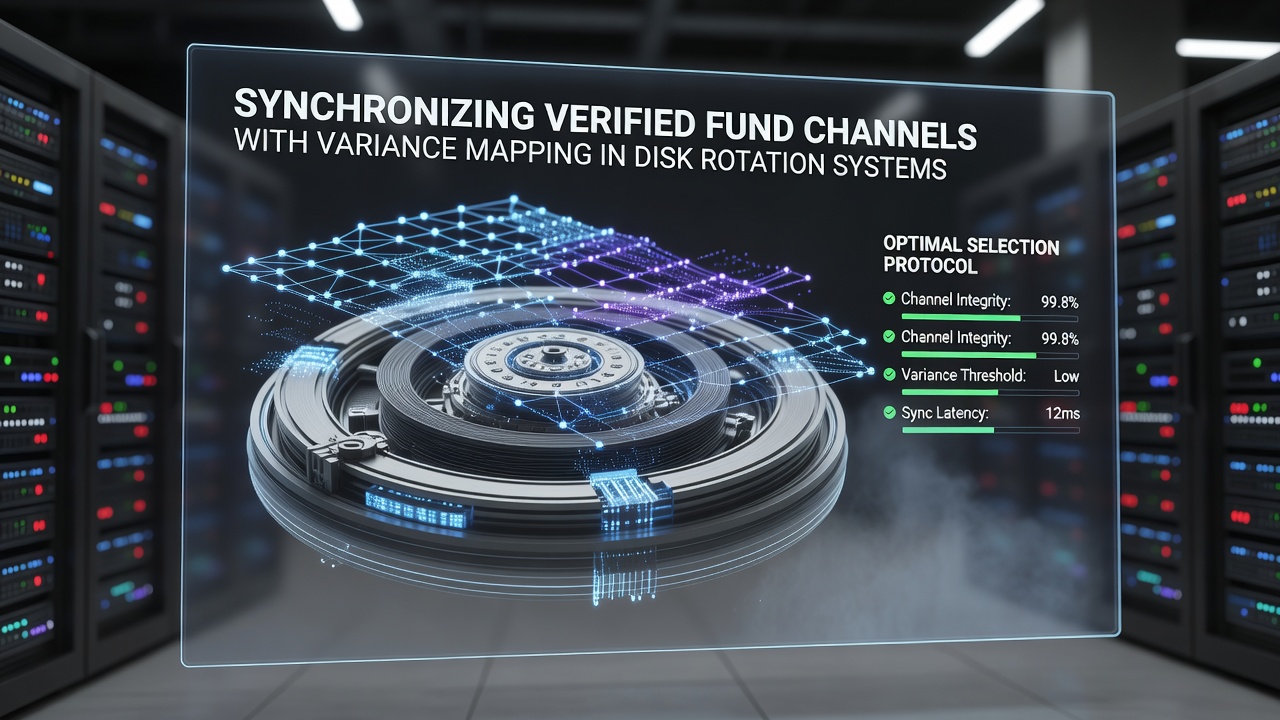
Integration across entertainment platforms
Platform operators began rolling out unified application programming interfaces in late 2025 that allow variance mapping outputs and card pattern scores to update a shared user profile database, and verified fund channels trigger profile refreshes that immediately recalculate tier eligibility. This architecture eliminates the need for separate progression queues, and users experience continuous advancement tracking even when switching between reel-based and card-based modules within the same application. According to records maintained by the Nevada Gaming Control Board, several licensed operators reported that synchronized systems handled 1.4 million tier advancement events in the first five months of 2026 with an average processing time of 1.8 seconds per event.
Developments scheduled for June 2026
Regulatory updates taking effect in June 2026 require all licensed frameworks operating in multiple jurisdictions to maintain synchronized audit logs that capture both payment verification timestamps and game outcome variance data, and compliance teams have already begun testing the expanded logging modules. These logs enable cross-platform reconciliation of progression points earned through disk rotation and card sessions, and the resulting transparency supports faster dispute resolution when tier advancement calculations come under review. Operators preparing for the June deadline have documented internal benchmarks showing that pre-synchronized systems reduced reconciliation errors by 31 percent compared with earlier segmented architectures.
Performance metrics across regions
Figures compiled by the Australian Communications and Media Authority reveal that entertainment applications incorporating these synchronization methods achieved a 19 percent higher retention rate among users who reached mid-tier status within 30 days of first verified deposit. Canadian provincial regulators have similarly recorded increased session continuity when payment channels feed directly into variance and pattern engines, with average daily active accounts rising 14 percent year-over-year in provinces that adopted the integrated approach. The combined data sets demonstrate consistent acceleration of hierarchical access regardless of geographic market, provided the underlying verification and mapping protocols remain aligned.
Conclusion
Software entertainment frameworks that synchronize verified fund channels with variance mapping and card selection patterns deliver measurable improvements in the speed of tier advancement. The integration relies on real-time data exchange between payment systems, statistical models for disk rotation outcomes, and decision analytics from group card sessions, and regulatory changes scheduled for June 2026 further standardize the audit requirements supporting these exchanges. Observers tracking platform performance continue to monitor adoption rates as operators implement the necessary interfaces across additional jurisdictions.