Tracing Verified Payment Handshakes Through Variance Curves in Reel Cycles and Optimal Decision Trees to Unlock Tiered Access Within Smartphone Casino Ecosystems
Written by Logan Carter · Jul 13, 2026
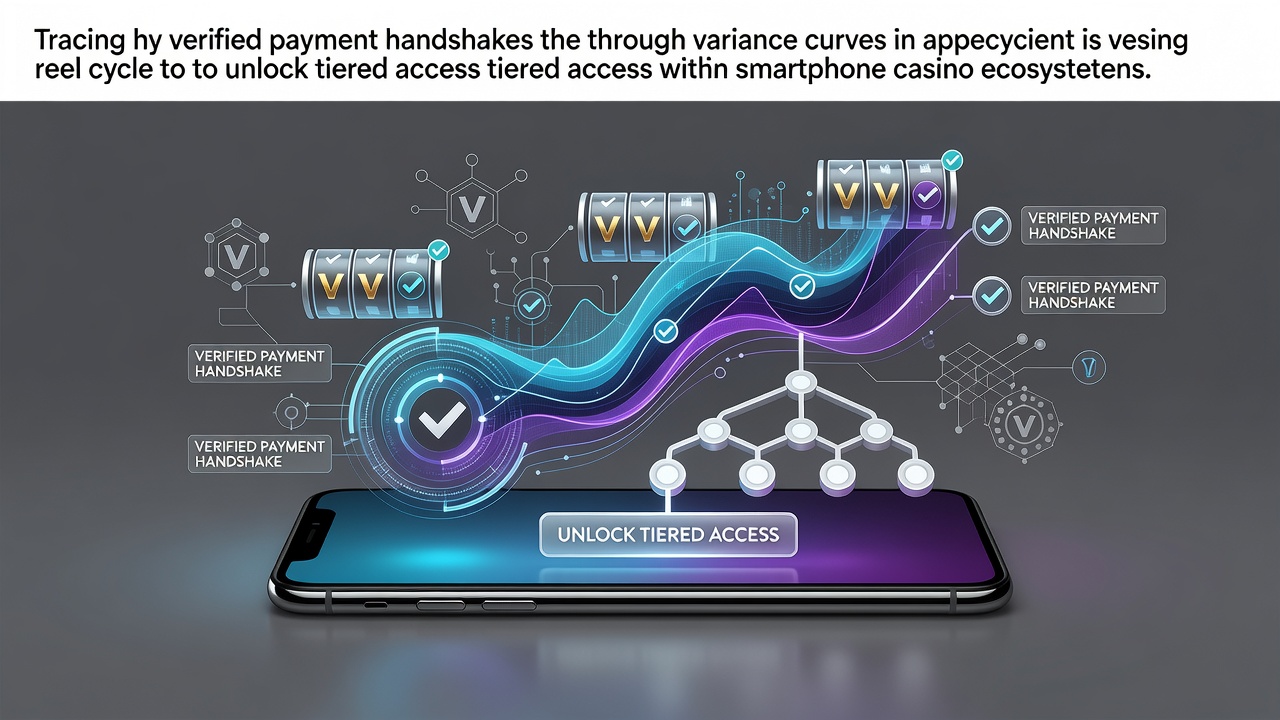
Tracing Verified Payment Handshakes Through Variance Curves in Reel Cycles and Optimal Decision Trees to Unlock Tiered Access Within Smartphone Casino Ecosystems
Smartphone casino platforms have developed intricate systems that connect verified payment protocols with game mechanics such as reel variance and algorithmic decision processes, allowing users to progress through loyalty tiers based on transaction patterns and gameplay data. These frameworks track payment handshakes, which represent authenticated transfers between user accounts and platform ledgers, while mapping them against variance curves that measure payout volatility across slot cycles. Observers note that such integrations help platforms manage user advancement without relying solely on deposit volume or session length.
Payment Verification in Mobile Gaming Environments
Verified payment handshakes occur when a transaction completes a multi-step authentication sequence that includes token exchange, device fingerprinting, and ledger confirmation. Data from industry reports shows these sequences now incorporate real-time risk scoring drawn from user behavior histories, and platforms apply them across multiple regions including North America and parts of Asia. In July 2026 several operators expanded their handshake protocols to support instant cross-border transfers while maintaining compliance with updated regional financial reporting standards.
Variance Curves and Reel Cycle Dynamics
Variance curves plot the distribution of outcomes in reel-based games by calculating standard deviation from expected return percentages over successive spins. Researchers have documented how low-variance cycles produce frequent small payouts whereas high-variance sequences cluster larger wins at irregular intervals. Those who analyze mobile slot data find that platforms record these curves at the individual session level, then correlate them with payment timestamps to identify patterns that signal sustained engagement. This correlation allows systems to adjust visibility of tier-progression indicators during active play.
Decision Trees for Tier Advancement
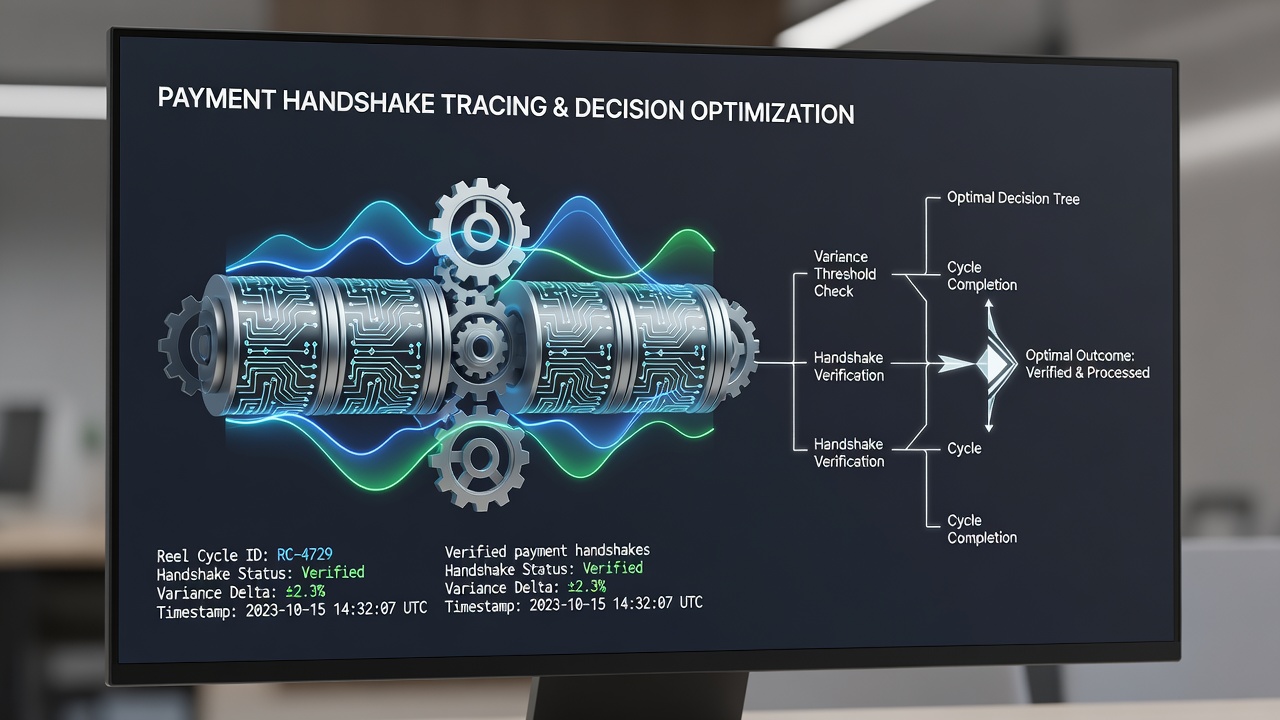
Optimal decision trees function as branching algorithms that evaluate multiple variables including payment frequency, average wager size, and variance exposure to determine when a user qualifies for the next loyalty level. Each node in the tree applies conditional thresholds derived from historical cohort data, and platforms update these thresholds periodically based on aggregate performance metrics. Studies from academic gaming research groups indicate that trees incorporating both payment handshake success rates and reel outcome variance achieve higher accuracy in predicting tier movement compared with models that rely on single metrics alone.
Integration Across Platform Components
Platform architects combine the three elements by feeding handshake confirmation timestamps into variance tracking modules, which then supply input values to decision tree engines. This pipeline produces real-time tier eligibility scores that appear within user dashboards as progress bars or milestone alerts. Figures from Canadian regulatory filings reveal that similar integrated systems processed over 12 million tier advancement events during the first half of 2026, with mobile traffic accounting for approximately 68 percent of those events. Operators in the Asia-Pacific region have adopted comparable architectures, often linking them to regional payment gateways that emphasize instant verification.
Regional Developments and Compliance Factors
Regulatory bodies such as the Nevada Gaming Control Board and the Australian Communications and Media Authority have issued guidance requiring transparent documentation of how payment and gameplay data feed into loyalty algorithms. In July 2026 several North American operators published updated technical summaries describing their variance-adjusted decision trees, citing internal audits that verified compliance with data retention and user consent rules. These disclosures have enabled independent analysts to compare progression rates across jurisdictions while maintaining user privacy protections.
Conclusion
The mapping of verified payment handshakes onto variance curves and decision trees continues to shape how smartphone casino platforms structure tiered access. Current implementations rely on sequential data flows that connect transaction authentication directly to gameplay analytics, producing measurable outcomes in user progression statistics. As platforms refine these linkages, regulatory oversight and technical documentation remain central to maintaining consistent application across markets.